
Frugal living and downsizing tend to go hand in hand. One makes room for the other.
When you’ve already decided to live with less space and less stuff, these tips stop feeling like a diet you’re forcing on yourself and start feeling like the natural next step, the same mindset that got you into a smaller home making the savings actually stick.
Below is every frugal living tip we’ve picked up along the way, organized by room so you can skim to what’s actually useful. You don’t have to do all 120.
Even a handful will free up money for the reason you simplified in the first place: more time, less stress, more room for what matters.
A small example from our own pantry: we only buy store-brand staples. It’s not a sacrifice, it’s just more money left over for what we actually care about.
Now, on to the tips.
Frugal Living Tips: Kitchen
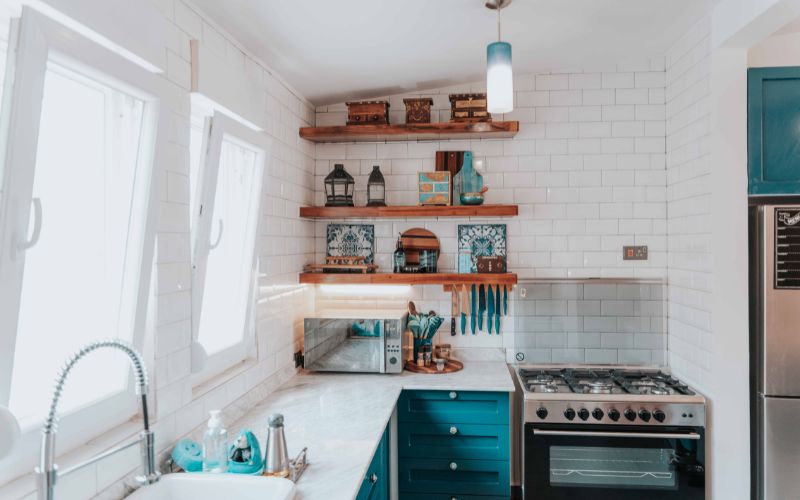
1. Meal plan. Meal planning saves money and time, especially with the smaller pantry and fridge space that comes with a smaller home.
Plan around what’s already there first, then write your grocery list to fill the gaps. This stops you from buying things you don’t need (or have room to store) and forces you to use up what you’ve already got. The grocery bill is usually the single biggest place most families can save.
2. Meal prep. Prepping in advance lets you make frugal, healthy choices without spending hours in the kitchen every night. It doesn’t have to be complicated: even pre-chopping vegetables saves real time during the week.
3. Use up your leftovers. A bit of this and a bit of that can become fried rice, soup, or a stir-fry. Don’t let good food go to waste.
4. Shop at the farmer’s market. You get fresh produce and can buy the exact amounts you need, which cuts down on food waste and doesn’t require the bulk storage space a big-box haul does.
5. Join a grocery co-op. Co-ops let you buy in bulk for less, and often give access to organic, local, and specialty items you wouldn’t otherwise budget for.
6. Cook from scratch. You control exactly what’s going into your food, and it’s almost always cheaper than buying pre-made.
7. Double batch your cooking. Frugal living 101: never cook just one meal. Use a slow cooker for a bulk batch, or prep enough for two full family meals at once. Running the stove costs money either way, so make it count.
8. Never waste a hot oven. If your oven’s already at full temperature for dinner, use the heat for baking too. Things typically cook in half the usual time in an already-hot oven.
9. Reduce your grocery bill with a cashback app. Apps like Ibotta let you earn money back by scanning receipts, claiming offers, and using digital coupons, including on fresh produce. Most let you cash out once you hit a small threshold.
10. Bulk up meals with lentils. Stretching ground beef with red lentils in bolognese, casseroles, and chili cuts your meat spend and adds nutrition.
11. Shop your pantry first. In a small kitchen, pantry space is too precious to waste on ingredients that just sit there. Sites like Supercook let you enter what you already have on hand to generate a meal idea, which is a lifesaver if creative cooking doesn’t come naturally, and it keeps you from buying a duplicate of something already in the back of the cupboard.
12. Buy generic foods. Generic brands are often made in the same factories as name brands, at half the price. Swap one item per shopping trip to figure out which cheaper options you’re actually happy with.
13. Learn to make good coffee at home. A $5 daily latte adds up fast. A basic home espresso machine pays for itself quickly, and you can still treat yourself to a sit-down coffee with friends whenever you want.
14. Keep your freezer full. A full freezer uses less energy because cold air stays put, and in a smaller kitchen that freezer space is worth using well. If you can’t keep it full of food, filling old bottles most of the way with water does the same job.
15. Drink water. It’s free (or close to it), keeps you hydrated, and a reusable bottle means you’re never buying bottled water out of habit.
16. Unplug small appliances. Plugged-in appliances draw phantom power even when they’re switched off. Unplugging what you’re not using trims your energy bill.
17. Brown bag it. Packing lunch instead of eating out saves money and lets you control what’s actually in your food.
18. Eat at home. Restaurant meals come with food, drinks, tax, and tip. Home meals cost a fraction and you control the ingredients.
19. Eat whole food. Whole foods deliver more nutrition without additives, which can mean fewer sick days and an easier time managing your weight, both of which save money in the long run.
20. Don’t use the oven in summer. It heats up your whole house, and in a smaller home that temperature swing is even more noticeable. Grill or cook outdoors instead.
21. Use a slow cooker. Low, slow cooking uses less energy and tenderizes cheaper cuts of meat, so you can buy less expensive meat and still get a great meal.
22. Use an electric pressure cooker. Electric pressure cookers can save as much as 70% of the energy compared to boiling, steaming, oven cooking, or slow cooking, according to MarginMakingMom.com.
23. Fill up the dishwasher. A half-full load uses the same water and detergent as a full one. Wait until it’s full.
24. Skip the heat-dry setting. Air-dry or towel-dry instead. It’s better for your energy bill and the environment.
25. Keep a well-stocked pantry and freezer. With limited storage, every inch counts, so make it count with things you’ll actually use. Add an extra can of vegetables or legumes to your cart each shop, and you’ll always have what you need for a cheap, fast meal.
26. Avoid disposables. Paper towels and plastic forks are convenient, but they add up in cost, in landfills, and in cabinet space you don’t have to spare. Reach for reusable options when you can.
27. Use cloth napkins. They can be reused many times before washing, and they don’t contribute to deforestation the way paper napkins do.
28. Use less water hand-washing dishes. Fill a basin with soapy water and rinse everything at once instead of running the tap the whole time.
29. Cook once, eat twice. Make extra servings of your favorite dishes and freeze or refrigerate the leftovers for a second meal with zero extra effort, and less freezer clutter than a dozen half-used containers.
30. Make a grocery list. Check your pantry, fridge, and freezer before you shop, then buy only what’s actually needed to fill the gaps.
31. Shop online. It’s easier to compare prices, stick to a cart total, and avoid the impulse buys that happen when you’re wandering the aisles.
32. Eat more meatless meals. They typically cost less, take less time, and are lower in calories and fat while still packed with nutrients.
33. Start a container garden. You don’t need a yard. Herbs on a windowsill, a tomato plant on a balcony, or a couple of raised beds if you’ve got even a small patch of ground all cut into the grocery bill. Choose what grows well in your climate and what you’ll actually eat.
Frugal Living Tips: Bathroom
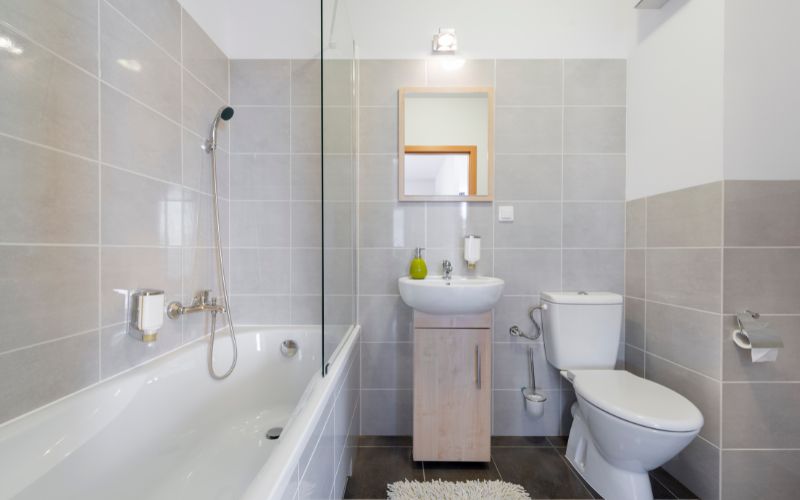
34. Take military showers. Wet down, turn the water off while you lather up, then turn it back on to rinse. It saves a surprising amount of water compared to a normal shower.
35. Don’t leave the water running. Turn the faucet off while brushing your teeth or lathering your hands, and only turn it back on to rinse.
36. Dry your razor. A damp razor rusts and dulls faster. Drying it after each use extends its life.
37. Use basic products. A mix of baking soda and vinegar cleans a toilet bowl just as well as most commercial cleaners, without the cost or the harsh chemicals.
38. Install a low-water toilet. Low-water models typically use 1 to 2 gallons per flush versus the standard 3 to 5.
39. Fix leaky faucets. A drip is usually just a worn-out washer. Replacing it is a simple fix that stops both the waste and the water bill creep.
40. Install low-flow showerheads. They cut water use without sacrificing pressure, which shows up on your monthly water bill.
41. Turn down your water heater. Most are set around 140°F, but you can usually save energy by turning it down to 120°F, which also helps prevent scalding.
42. Bathe only when necessary. Daily showers can strip your skin’s natural oils. A quick rinse when you actually need one is often enough.
43. Install a timer on your water heater. Set it to skip the hours when you’re asleep or at work, and come back on shortly before you need hot water again.
44. Use a bidet. It cuts toilet paper spending, uses far less water than a toilet-paper-only routine, and a lot of people find it cleaner too. A bidet attachment installs on your existing toilet in under an hour, no plumbing overhaul required.
Frugal Living Tips: Laundry
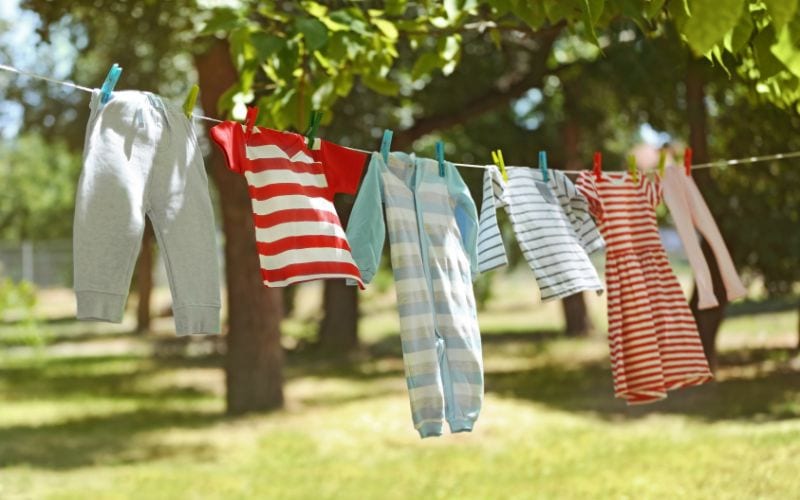
45. Wash clothes in cold water. Cold water preserves dyes and prevents shrinking, which makes your clothes last longer. Most everyday laundry does just fine on a cold cycle.
46. Hang clothes to dry on a line. Line drying saves on electricity and dryer sheets, and skips the need for extra dryer space if you’ve got a small laundry room like we do. A backyard clothesline for good weather and an over-the-door rack for indoors covers most of it.
47. Wear clothes more than once before washing. Most everyday items can handle a few wears between washes. Save the “wash immediately” pile for anything actually soiled.
48. Buy high-quality used clothes. Consignment shops, thrift stores, and resale sites often have designer and name-brand pieces for a fraction of retail, already proven durable.
49. Wash full loads of laundry. Fewer, bigger loads cut down on water, energy, and how often you’re running the machine at all.
50. Keep the dryer lint filter clean. A clogged filter makes the dryer work harder (higher energy bill) and raises overheating risk. Brush it out after every load.
51. Insulate your water heater. An insulation blanket helps it hold temperature with less effort, which also helps prevent pipes from freezing in winter.
52. Make your own laundry detergent. Castile or fels-naphtha soap, Borax or washing soda, and a few drops of essential oil make a detergent that costs a fraction of store-bought and skips the harsh chemicals.
53. Buy generic detergent. Generic brands often cost half of what name brands charge and clean just as well.
54. Skip fabric softener and dryer sheets. Fabric softener actually damages fibers over time, and dryer sheets leave a lint-attracting film. A few drops of essential oil on a towel in the dryer freshens things up without either.
55. Don’t over-dry your clothes. Pull them out slightly damp and hang them right away. It’s counterintuitive, but it saves time, prevents shrinking and fading, and keeps fabric from getting brittle.
Frugal Home
56. Downsize your home. A too-large home can cost more than it needs to. Our own family saved over $500 a month by downsizing to a smaller home. (Related: see our post on the cheapest ways to live for more low-cost housing options.)
57. Declutter your possessions. Getting rid of what you don’t use frees up space, helps you avoid buying duplicates you already own but can’t find, and can put cash in your pocket if you sell what’s still useful. If you want a structured way to work through it, our Room-by-Room Downsizing Checklist walks you through every room.
58. Use a smart thermostat. Independent studies on the Nest Learning Thermostat found average savings of 10-12% on heating and 15% on cooling, enough to pay for itself within a couple of years, and a smaller home means it pays for itself even faster.
59. Switch to homemade cleaners. We’ve nearly fully switched to homemade cleaners like plain white vinegar, and it’s added up to real savings. (See our homemade cleaning recipes for ideas.)
60. Replicate double-pane windows on the cheap. If you’ve got old single-pane windows letting the cold in, a window insulation kit (clear shrink film and double-sided tape) creates a similar effect to double glazing at a fraction of the cost.
Run tape around the window frame, cut the film to fit with a couple of extra inches, press it on, then go over it with a hair dryer to pull it taut.
It’s a weekend project that noticeably cuts drafts, and in a smaller home, fewer windows means the whole project takes an afternoon, not a weekend.
61. Switch to LED bulbs. Don’t toss working bulbs. Just replace with LED bulbs as your incandescents burn out.
62. Unplug electronic devices. TVs and computers left plugged in still draw power even when they’re off. Unplugging what you’re not using adds up over a year.
63. Keep lights and fans off. Turn them off when you leave a room. Small habit, real savings.
64. Use surge protectors. They protect your electronics from damage and can help prevent devices from drawing more power than they need. A basic surge protector strip covers most of a home office or entertainment setup.
65. Skip closing off unused rooms, because you probably don’t have one. This is standard frugal-living advice for big houses with a guest room or formal dining room nobody sets foot in. In a genuinely small or downsized home, there usually isn’t a spare room to seal off; every square foot is already earning its keep. If you do have a rarely used space (a home office, a guest nook), the same logic applies: don’t heat or cool it on the same schedule as the rooms you actually live in.
66. Set ceiling fans counter-clockwise in summer, clockwise in winter. Counter-clockwise pushes a cool breeze down; clockwise circulates warm air that’s risen to the ceiling.
67. Sell what you’re clearing out as you downsize. Every downsizing project turns up things that are genuinely worth money: furniture that won’t fit the new space, duplicates, things you kept “just in case.” A yard sale or online listing turns that clutter into cash instead of a trip to the dump.
68. Keep shades drawn in summer. It blocks heat from entering and protects furniture from UV fading.
69. Insulate your attic. Good insulation keeps heat in during winter and cool air in during summer, so your HVAC system doesn’t have to work as hard.
70. Weatherstrip doors and windows. Sealing gaps stops drafts year-round, keeping warm air in during winter and hot air out in summer.
71. Use a space heater instead of heating the whole house. In a smaller home, one good space heater can often cover the room you’re actually in without running central heat for square footage nobody’s using that evening. It’s one of the biggest wins on this list if your home is already on the small side.
72. Keep filters and ducts clean. Clogged filters make your system work harder and can lead to overheating. A regular cleaning schedule keeps energy bills in check.
73. Insulate exposed pipes. It helps keep heat in during winter and helps prevent freezing and bursting.
74. Eliminate cable. Streaming services like Netflix, Hulu, and Amazon Prime cover most programming needs without a contract or hidden fees.
75. Ditch the landline. A cell phone covers the same need with more flexibility and one less monthly bill.
Frugal Family

Frugal living with kids is absolutely doable. Honestly, most parents get better with money once kids come along. Kids tend to love the simple stuff, which is often the cheapest stuff too.
76. Breastfeed if you can. It’s not the right choice or option for everyone, but for those who can, it skips the cost of bottles, formula, warmers, and sterilizers entirely.
77. Don’t buy all the baby gear. Babies need very little, even though baby stores would have you believe otherwise, and in a smaller home there’s genuinely nowhere to put half of it anyway. (See our minimalist baby checklist for what actually matters.)
78. Dress them in used clothing. Hand-me-downs cover most of it. We only buy new underwear and shoes, and even shoes can often be found gently used at a thrift store.
79. Talk to your kids about money. Bring them grocery shopping and explain the budget out loud. Kids are surrounded by advertising telling them what to want; talking openly about why you save and what you’re saving for is one of the highest-impact frugal habits you can build.
80. Start frugal family hobbies. Bike rides, beach days, foraging for fruit, and playground trips cost little to nothing and teach kids that a simple life is still a good one.
Frugal Living Tips: Transportation

81. Live car-free or car-lite. Cars are expensive to buy, maintain, and insure. Going down to one car, or none, can free up serious cash, and if downsizing also meant moving somewhere more walkable, this one gets a lot easier. Online shopping and walking or biking for nearby errands make it more doable than it sounds.
82. Get back on your bike. Replacing short car trips with a bike ride is good for your body, your mood, and your wallet. Pannier bags make a grocery run doable by bike.
83. Work from home. Skipping the commute saves on gas, parking, and often a whole wardrobe category, while giving you more control over your day.
84. Carpool. Fewer cars on the road means less fuel burned and less hassle finding parking, as long as you can coordinate with others.
85. Slow down. Gentle acceleration and braking improve gas mileage more than people expect.
86. Keep your tires inflated. Underinflated tires wear out faster, use more fuel, and raise your risk of a blowout.
87. Turn off the AC. Running it makes your engine work harder. Rolling the windows down instead saves gas on shorter trips.
88. Shop around for the cheapest gas. A quick price check across nearby stations adds up over a year of fill-ups.
Frugal Living Tips: Entertainment
89. Get to know your library. Beyond books, most libraries offer e-books, magazines, newspapers, free online courses, and community events.
90. Join a toy library. It lets you own fewer toys (and deal with less toy clutter, which matters even more in a smaller home) while your kids still get plenty of variety.
91. Start a frugal hobby that makes money. Gardening, carpentry, blogging, baking, and jam-making all let you build a skill and sell what you make to friends and neighbors.
92. Use credit card rewards to fund travel. Sign-up bonuses and ongoing rewards points can cover flights and hotels that would otherwise be out of budget.
93. Go camping. It’s inexpensive lodging and entertainment in one, with the bonus of fresh air and exercise built in.
94. Take a staycation. Visit the local attractions you’ve always meant to get to, or just use the time off to rest close to home. A staycation can be just as restorative as a trip away.
95. Have a game night. Board games are cheap, fun for every age, and a great excuse to get people together.
Frugal Living Tips: Finances
Lower expenses are a big part of frugal living, but there’s more to it than cutting costs. These tips are about strengthening your overall financial picture.
96. Build a budget that fits your actual life. A budget is really just a plan for where your money goes. There’s no single right way to do it: some people budget backward (starting from expenses, not income, see our post on budgeting backward), others use zero-sum budgeting or a 50/30/20 split. Whatever method you pick, build in a “fun money” category so the budget doesn’t collapse the first time a friend invites you out for coffee.
97. Pay off debt faster. Paying down debt quickly saves you real money on interest over time. Rounding payments up, even by a small amount, chips away at the balance faster than it feels like it should.
98. Find ways to make extra money. Once you’ve trimmed expenses as far as they’ll go, increasing income is the next lever. A side gig on the weekend, extra qualifications for your day job, freelance writing, virtual assistant work, or building a blog are all realistic ways to bring in more.
99. Pay for gifts with gift cards you’ve earned. Watching videos or answering surveys through sites like Swagbucks or Survey Junkie throughout the year can easily add up to real gift-card value by the holidays, without spending your own cash.
100. Set a frugal holiday budget early. Start planning at least six months out so you can set aside a little each month, rather than scrambling in December.
101. Get cashback on everyday purchases. Checking a cashback site like Rakuten before you buy anything online is one of the easiest frugal habits to build, and it applies to books, travel, clothes, and more.
102. Save an emergency fund. Three to six months of expenses set aside takes the panic out of a surprise repair bill or a job loss, and it’s one of the biggest stress-reducers on this whole list.
103. Avoid debt where possible. An emergency fund helps, and so does asking whether you actually need to own something before buying it. Borrowing or bartering covers more situations than you’d think.
104. Use a cash-back credit card wisely. Pay the balance off in full every month and only charge what you’d already be spending. Done right, it’s free money on purchases you were making anyway.
105. Never pay for banking. Direct deposit, autopay, and online banking cover most fee triggers. Many banks also offer free checking and savings if you maintain a minimum balance.
106. DIY where it actually makes sense. DIY can be satisfying and frugal, but not always. Sometimes hiring a professional the first time is cheaper than a failed attempt plus the professional anyway.
107. Try a no-spend month. Committing to essentials only for one month resets your spending habits and refocuses you on your actual goals.
108. Cancel subscriptions you don’t use. Gym memberships and streaming services you’re not using are an easy monthly bill to cut. Our house rule: only keep a streaming subscription for one month at a time, and extend it only if we’re actually watching something.
109. Repair, don’t replace. It takes more time and effort up front, but a repair is often a fraction of the cost of buying new.
110. Look for free ways to exercise. A walk or run in a local park, free community classes, or a YouTube workout at home all skip the gym membership entirely.
111. Shop clearance racks. Clothing, shoes, and sports gear on clearance are often just as good as full-price, minus the markup.
112. Ask for price matching. Most stores will match a lower price you’ve found elsewhere. A quick phone search before you check out can save the trip to a second store.
113. Pay bills on time. Late fees are avoidable money down the drain, and some providers even discount early payment. Autopay makes this one automatic.
114. Set up automated savings. An automatic transfer to savings as soon as your paycheck lands means you save before you have the chance to spend it.
115. Refinance high-interest loans. Worth exploring carefully, but refinancing can meaningfully lower your monthly payments if the terms make sense.
116. Cut back on costly habits. Smoking, drinking, and regular fast food all take a toll on both health and budget. Cutting back (or out) pays off on both fronts.
117. Maintain what you own. Regular maintenance (oil changes, fixing a leaky faucet before it’s a flood, patching a small hole before it’s a big repair) is always cheaper than the eventual breakdown.
118. Avoid impulse purchases. Give yourself a pause before any spur-of-the-moment buy. Most of the time, the urge fades and you’re glad you waited.
119. Shop around for insurance. Compare a few quotes before renewing anything. Coverage and price both vary more than most people realize.
120. Cash in your coins. Loose change adds up to real money. A bank or coin-counting machine turns the jar on your dresser into usable cash.
Frugal living has genuinely changed the shape of our life. It’s what let us get out of debt, invest for the future, and build the kind of life we actually wanted instead of the one we fell into by default.
It comes from a lot of small changes, not one big overhaul, and it takes time to feel natural. Focus on the long game. The small stuff really does compound.
What’s your best frugal living tip? Tell us in the comments; we’re always adding to this list.
FAQ
How do you be frugal without being cheap?
Frugal and cheap aren’t the same thing. Someone being frugal researches the best price and buys the best quality they can afford, because quality usually costs less over time. Someone being cheap just buys the lowest price and ends up replacing it twice.
A frugal person might skip the appetizer and drink water at dinner so there’s room in the budget for a family vacation, and still leave a generous tip. A cheap person skimps on the tip.
Why live more frugally in the first place?
Before you dive into tips and tactics, it helps to get clear on why. Write down everything you’ve always wanted to do but never got around to because of work, life, or money. Frugal living buys you both the money and the time to make that list real.